Black beard algae is the stubborn dark fuzz that sprouts on plant leaves, filter outlets and driftwood, and it does not wipe off like green film. If you want to get rid of black beard algae, you need to remove what is there and then fix the conditions that let it take hold. This guide covers identification, removal and prevention.
Black beard is only one of several algae types. Our guide to identifying and removing aquarium algae covers the others.
What Black Beard Algae Looks Like
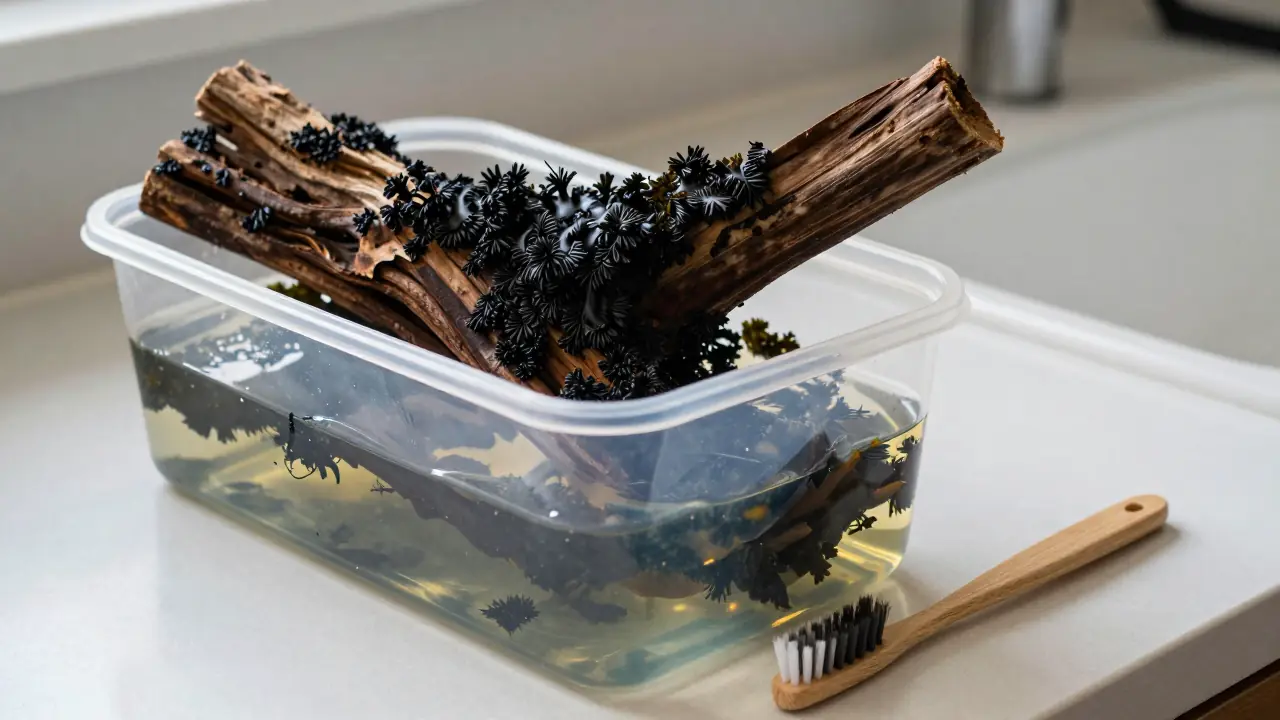
BBA forms thick, bushy clumps that are usually black or gray, and sometimes dark green, dark red or brown. They look like dark patches of coarse hair. It grows on driftwood, decor, stones and plants, and few things eat it. Clumps often show up first on leaf edges, slow-growing leaves and hardscape near the filter outlet, because it favors areas of strong flow, though it also grows where water barely moves.
Do not confuse it with hair algae, which is long, soft and green, or with the thin dark film that can coat a new tank. BBA feels coarse and clings tightly.
What Is Black Beard Algae?
The genus Audouinella belongs to the red algae (Rhodophyta), and aquarium keepers call it “black brush” or “black beard” algae. Members of the genus live in both fresh and salt water. Not every form seen in aquariums is black, which is why red, brown and gray clumps still count. Most algae-eating fish and invertebrates avoid it, so you cannot rely on a cleanup crew alone.
What Causes Black Beard Algae
No single cause has been proven for every tank. Planted-tank keepers most often link BBA to unstable or inadequate carbon dioxide, too much light and excess organic waste. In practical terms, that points to:
- CO2 injection that is missing, or that swings up and down during the day.
- Lights that run too long or too bright, which makes plants demand more CO2 than the tank supplies.
- Uneaten food, dead leaves and debris left to decay and break down into nitrates and phosphates. Overfeeding and overstocking add to the load.
- Poor maintenance, or overdosing fertilizers, which leaves the nutrients out of balance.
- Weak or struggling plants that give algae a place to start.
- Skipped water changes and an unbalanced new tank.
BBA can take six to eight months to establish. That means the conditions that caused it may be long past by the time you notice it, and removal will not be instant either.
Is Black Beard Algae Harmful?
To fish, shrimp and snails, BBA is not a direct threat. To plants it can be. When clumps cover a leaf completely, the leaf is cut off from light and nutrients, and the plant can weaken and die. It is also unsightly, and its presence is a sign that the tank’s balance is off. Will it go away on its own? Rarely. Without a change in light, CO2 or waste, it keeps coming back, and removal methods only buy time until the cause is fixed.
How to Get Rid of Black Beard Algae
Manual removal
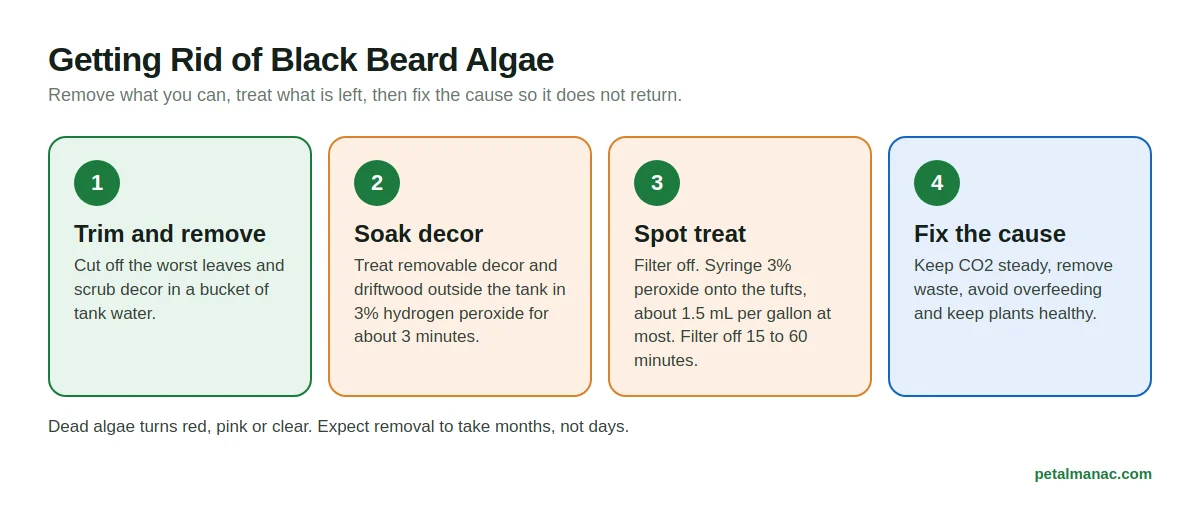
Trim heavily infested leaves and throw them out. Scrub hardscape with a firm brush in a bucket of tank water. Remove as much as you can before any other treatment. Manual removal alone will not finish the job, but it is the necessary first step, and the root causes must be fixed afterward to stop a return.
Hydrogen peroxide spot treatment
The standard method uses 3% hydrogen peroxide. Lower the water so the affected plants or decor are out of the water, spray the algae, let it sit 5 minutes, then refill. When you can, take plants and decor out and treat them outside the tank. Shorten the exposure for sensitive plants. Dead algae turns red or clear, and sometimes pink and then white. A treated clump is easier to scrape off once it has turned pink.
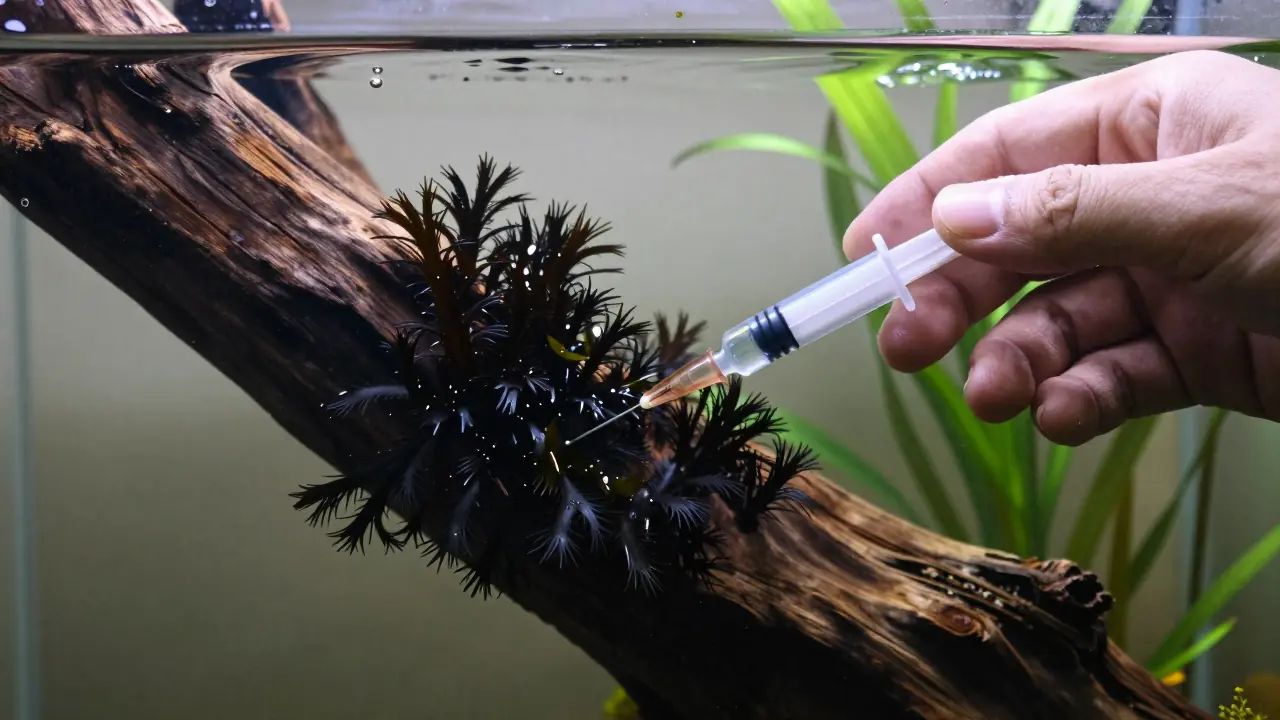
For items you can remove, a 3-minute bath in 3% hydrogen peroxide works well: the algae bubbles and turns red or pink as it dies, and then you can brush it gently with a soft toothbrush. For algae you cannot take out, spot treat it in the tank: turn the filter off, use a syringe to apply 3% peroxide directly onto the tufts, and keep the total to about 1.5 mL per gallon of tank water. Leave the filter off for 15 minutes to an hour afterward, and consider adding a bottled beneficial bacteria product for a few days, since peroxide reaching the filter can set back its bacteria. Aim only at the algae; do not pour peroxide into the whole tank. If you spray with the tank partly drained, let it sit at least 5 minutes before refilling. A spot-treatment syringe or pipette helps aim the liquid at the algae.
Wear gloves and eye protection when spraying hydrogen peroxide, and keep it away from children and pets. Unplug heaters and filters before lowering the water. The Seachem Flourish Excel label warns not to ingest it or get it in your eyes, so treat liquid carbon with the same care.
Liquid carbon
Flourish Excel is not marketed as an algicide, though hobbyists report less algae, especially BBA. Follow the label dose only. Flourish Excel’s label dose is 1 capful (5 mL) per 10 US gallons on first use or after a water change over 40%, then 1 capful per 50 US gallons daily or every other day. The label warns that spot treatment or overdosing “can cause damage.” Large doses can melt Vallisneria leaves temporarily, and Anacharis is sensitive, so dose it every other day. Cryptocoryne plants are also sensitive. When you spot treat with liquid carbon, use a dropper and aim it at the algae. For a removable item, a soak for about 24 hours at double the label dose, followed by a water change, is a common routine, but it is only for hardscape and sturdy plants, not for fish-occupied water.
Algae eaters
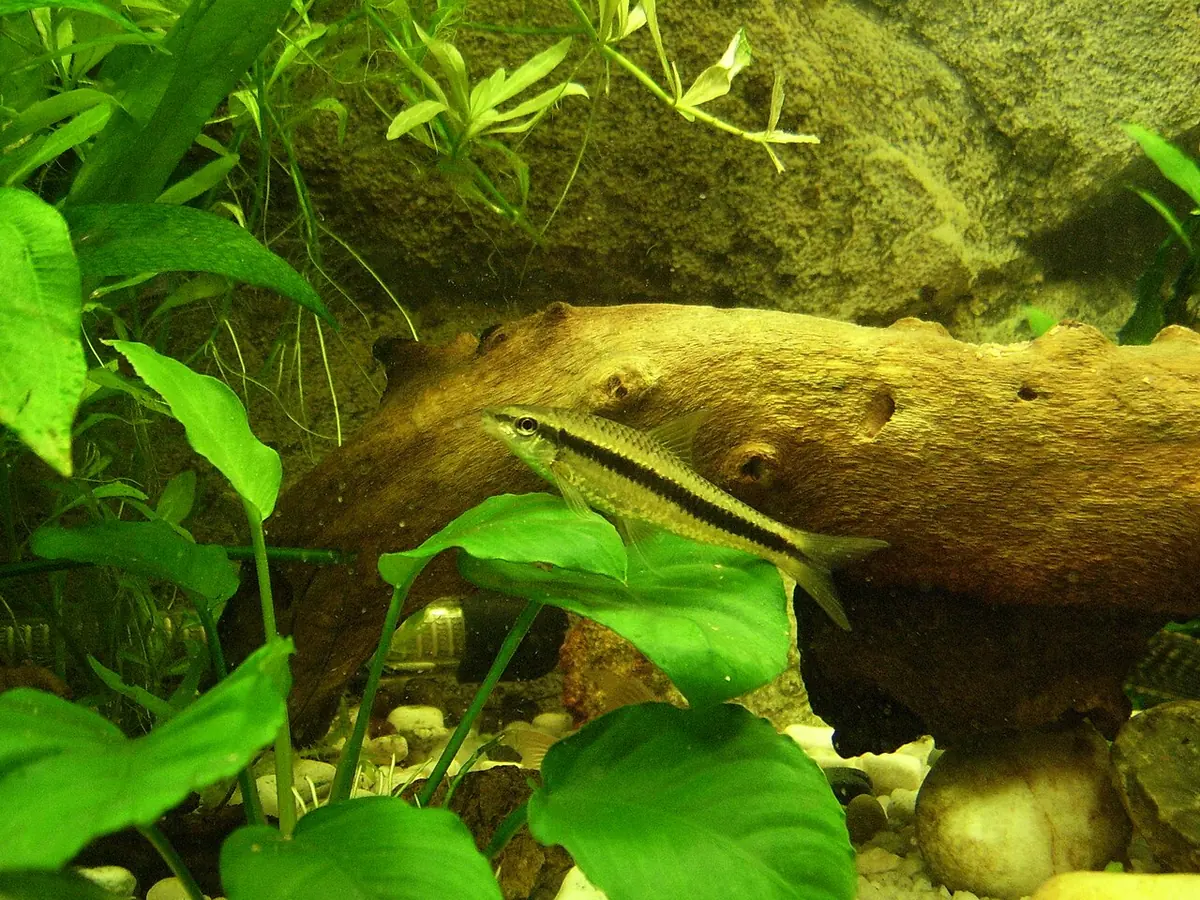
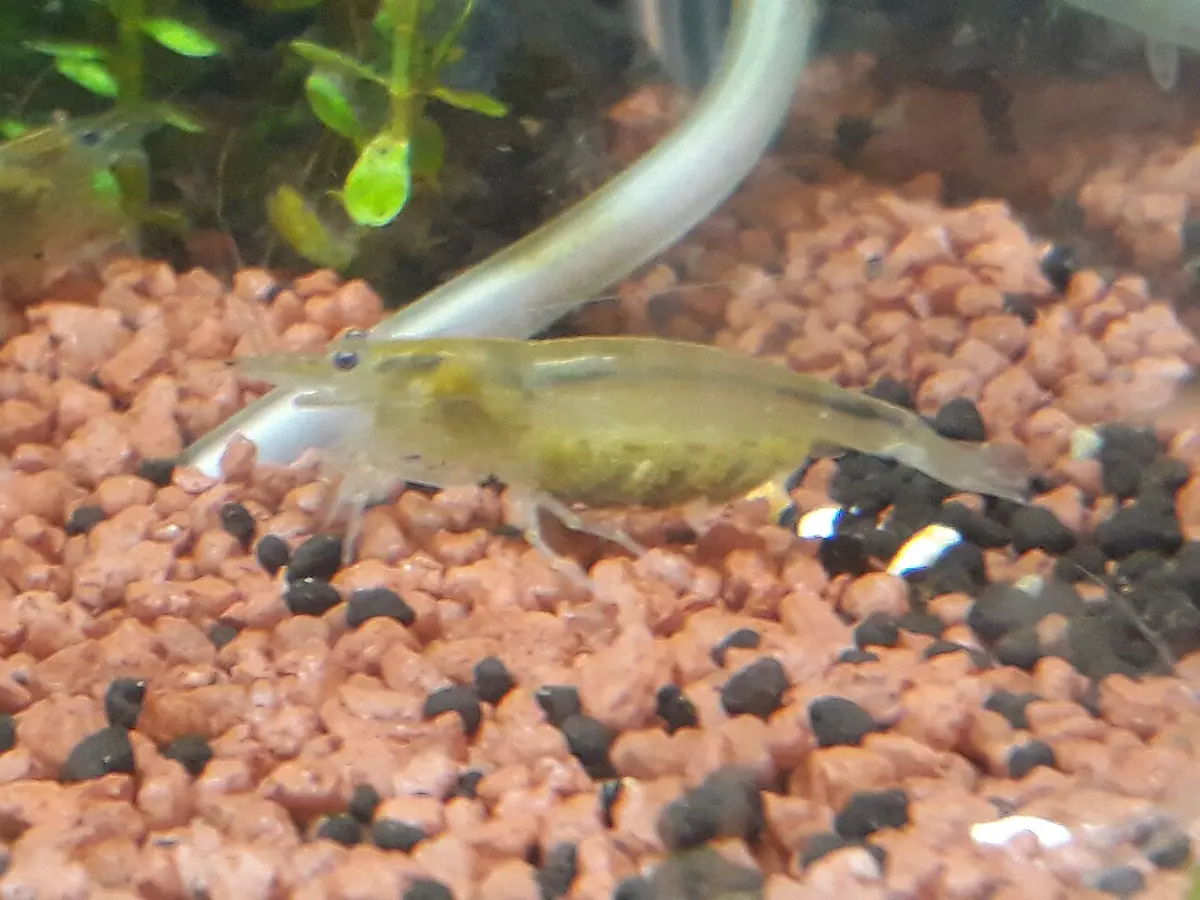
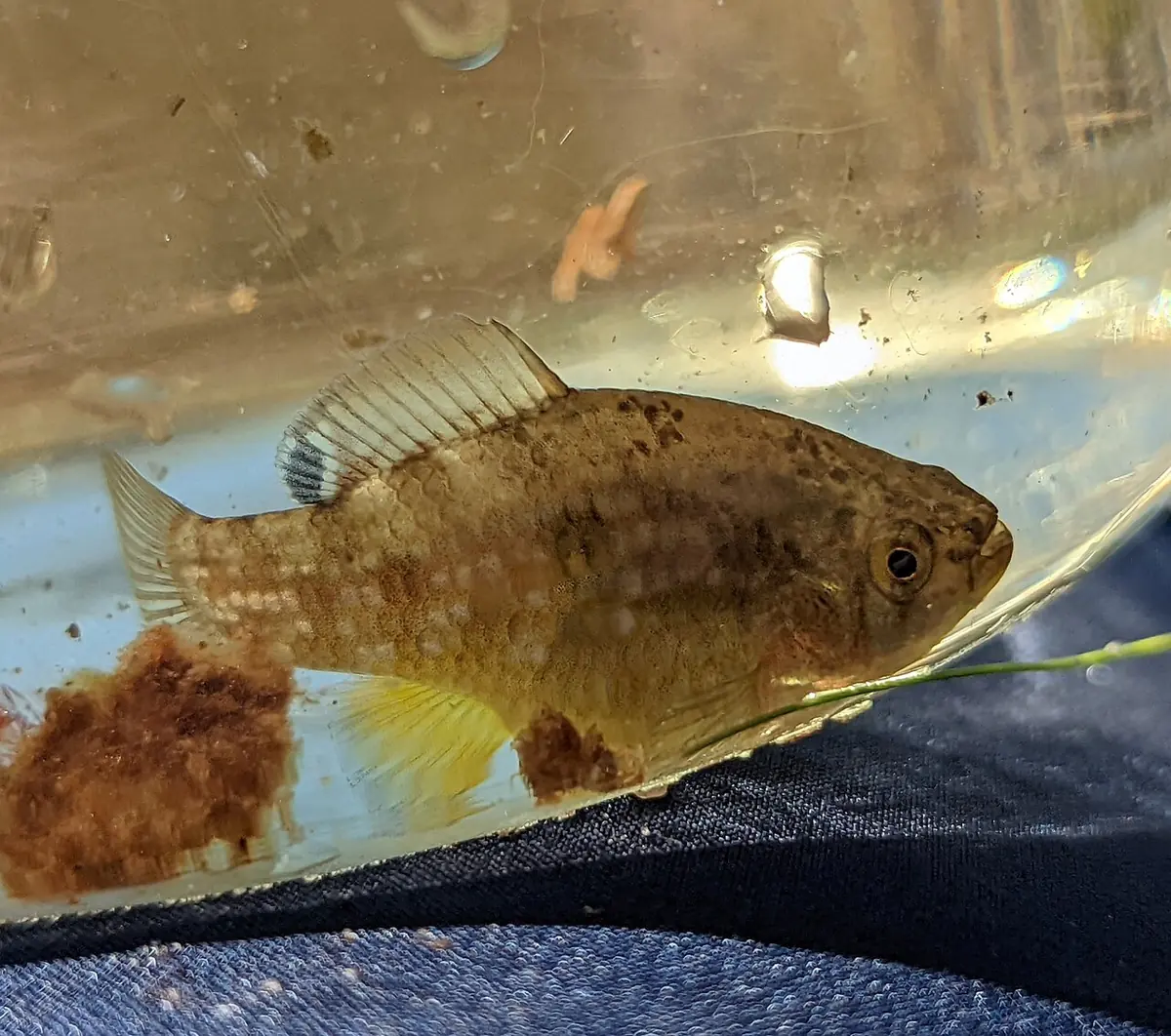
The usual choices are Siamese algae eaters, Florida flagfish and Amano shrimp. A Siamese algae eater can reach about 6 inches and keeps eating BBA through adulthood, which many look-alikes do not. Flying foxes and Chinese algae eaters graze it as juveniles but stop as they mature. Nerite snails graze algae film and are safe for plants, though they do little against thick clumps. Amano shrimp work slowly unless you keep many. Do not buy an eater first and expect it to solve the problem. Remove the bulk of the algae yourself.
Commercial algae treatments
Bottled BBA removers sold for aquariums are an option when manual removal and peroxide are not enough. Use them only at the label dose, keep them away from fish that the label says to remove, and watch plants for damage. They are another temporary fix, so the causes still need attention.
| Method | Effort | Speed | Best for |
|---|---|---|---|
| Manual removal and trimming | Moderate | Immediate for visible clumps | First step in every tank |
| 3% hydrogen peroxide | Moderate | Dead algae turns red or clear | Decor, driftwood, tough plants |
| Liquid carbon at label dose | Low | Gradual | Planted tanks with tolerant plants |
| Algae eaters | Low | Slow | Ongoing control after cleanup |
How to Prevent Black Beard Algae
- Keep CO2 steady if you inject it, at the same level for the same hours every day, and watch it with a drop checker.
- Limit lights to roughly 6 to 8 hours a day, or use a dimmer.
- Remove dead leaves and waste on a regular schedule, and vacuum the substrate when you change water.
- Do not overfeed (once a day is enough for most tanks), and change water weekly, or twice a week if ammonia is high.
- Quarantine new plants and rinse them before adding. Tissue-culture plants arrive free of algae.
- Add fast-growing stem and floating plants, which use nutrients faster than slow growers such as Anubias.
- Clean aquascaping tools between tanks so spores do not travel with them.
New tanks that have not finished cycling are prone to unstable conditions, so start with how to cycle a fish tank. Water chemistry also affects plant health, and our guide on how to lower pH in an aquarium explains how to change it safely.
How Long Removal Takes
Set realistic expectations before you start. A tank covered in dark tufts will not look clean after one treatment, and treating too aggressively can harm the plants you are trying to protect.
BBA can take six to eight months to establish, so expect removal to take months as well. Plan on a cycle of treat, trim and recheck. Old clumps may stay attached after they die, so remove them by hand or leave them for an eater.
A Simple Removal Routine
- Trim and discard the worst leaves.
- Take out decor and driftwood, scrub them and treat them outside the tank with 3% hydrogen peroxide.
- Spot treat any plants that must stay, with shortened exposure for sensitive ones.
- Fix the likely causes: steady CO2, regular cleaning and trimming, sensible feeding.
- Add algae eaters if they suit your tank, and recheck every week.
When Not to Use Peroxide or Excel
FAQs
Will algae eaters clear black beard algae by themselves?
Rarely. Few animals eat BBA, and most algae-eating fish and invertebrates avoid it. Use them to help after manual cleanup.
Is black beard algae harmful to fish?
It mainly harms plants and appearance. If your fish seem unwell, contact an aquatic veterinarian.
Is black beard algae bad for your tank?
It is not toxic, but it can smother plant leaves and signals unstable CO2, strong light or excess waste. Treat it as a warning about the tank’s balance.
Do any fish eat black beard algae?
A few do: Siamese algae eaters, Florida flagfish and, to a lesser degree, Amano shrimp. Flying foxes and Chinese algae eaters eat it only while young. Individual animals vary.
Will black beard algae go away on its own?
Usually not. It keeps returning unless you fix the lighting, CO2 and waste that feed it, and remove the existing clumps.
Why does my algae turn red after treatment?
Dead BBA turns red or clear, which signals that the treatment worked.
Remove the clumps, correct the conditions, and be prepared to keep at it for months. A steady routine finishes what quick fixes only start.

The Pet Almanac editorial team researches, writes and edits every care guide on the site. Each guide is fact-checked before publishing and reviewed again when care guidance or equipment changes.