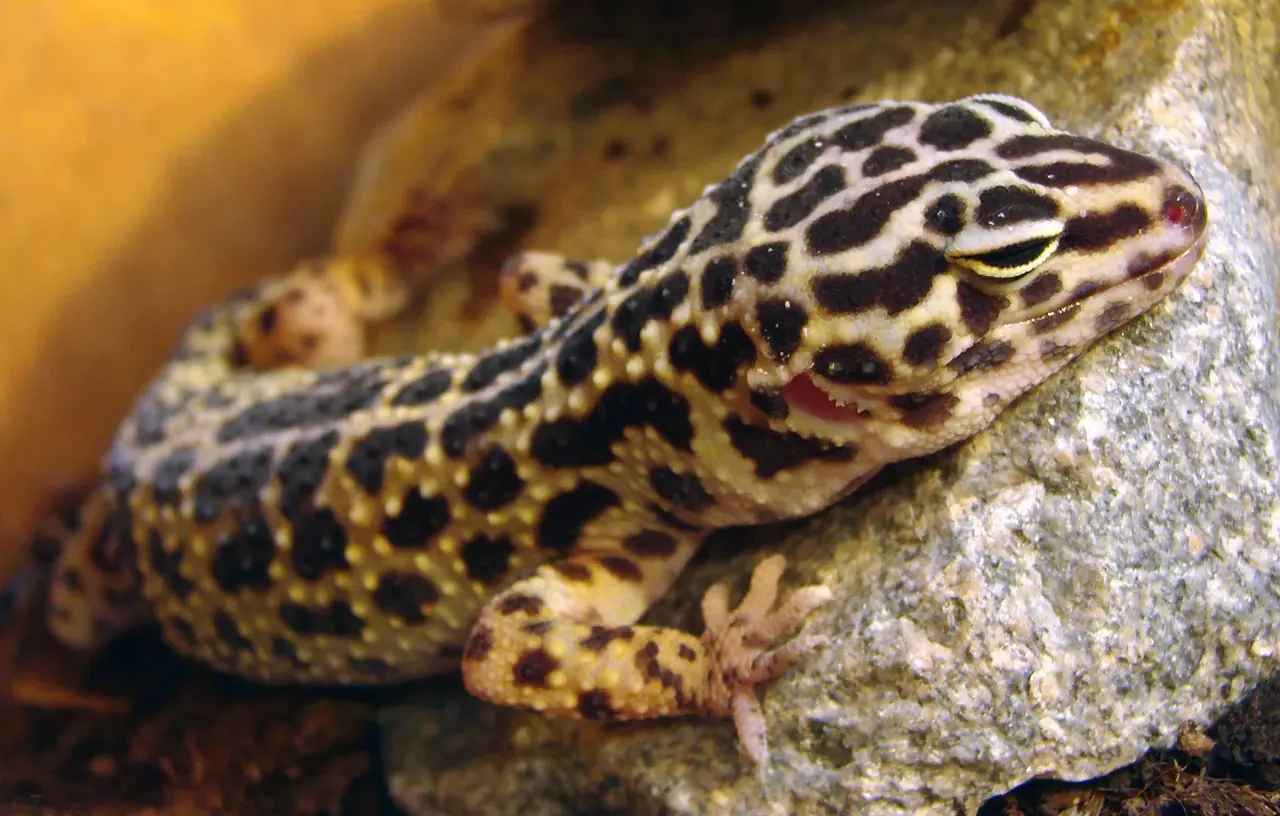
Leopard geckos eat live insects and nothing else. Crickets and roaches make the best staples, worms and waxworms are treats, and every insect should be gut-loaded and lightly dusted with calcium. Fruit and vegetables do not belong in the bowl.
What leopard geckos eat
Leopard geckos are insectivores. In the wild they take beetles, grasshoppers, spiders, scorpions, centipedes and caterpillars, and occasionally small animals. In a home enclosure you reproduce that with a rotation of captive-raised feeders. Variety matters: a gecko fed a single insect for years misses nutrients, and a gecko fed only fatty worms gets heavy.
They need movement to trigger a feeding response, so live insects are the standard. Dead, dried or processed foods should not be a regular part of the diet.
Feeder insects: staples and treats
Build the diet around two or three staples and rotate the rest. Treats are the fatty feeders. They are useful for a picky eater or a new food, but a gecko that fills up on waxworms ignores its staples and gains weight. A new or infrequent live protein works best as a treat, more than any dried snack or pelleted product.
| Feeder | Role | Notes |
|---|---|---|
| Crickets | Staple | Gut-load first; no wider than the gecko’s head |
| Dubia roaches | Staple | Rich in protein, low in fat |
| Discoid and red runner roaches | Staple | Good rotation partners for dubia |
| Silkworms | Staple or variety | High in moisture |
| Hornworms | Variety | High in moisture; only captive-raised |
| Black soldier fly larvae | Variety | Offer in rotation |
| Mealworms | Occasional | High in fat; feed in moderation |
| Superworms | Treat | Fatty; gut-load and dust |
| Waxworms and butterworms | Treat | Very fatty; sparingly |
Size is the safety rule. A feeder should be no wider than the gecko’s head, and the space between the eyes is an even safer limit.
How much and how often to feed
A good portion is about 2 appropriately sized insects per 1 inch of gecko length, or as many as the gecko eats in about 15 minutes. Remove any live insect it does not eat before you leave the enclosure.
| Age | How often |
|---|---|
| Hatchlings and juveniles (up to about 12 months) | Daily, with a mix of insects |
| Young adults | Every other day or every third day |
| Adults | 2 to 3 times a week |
| Adults with a tail thicker than the neck | Smaller portions, about every 5 days |
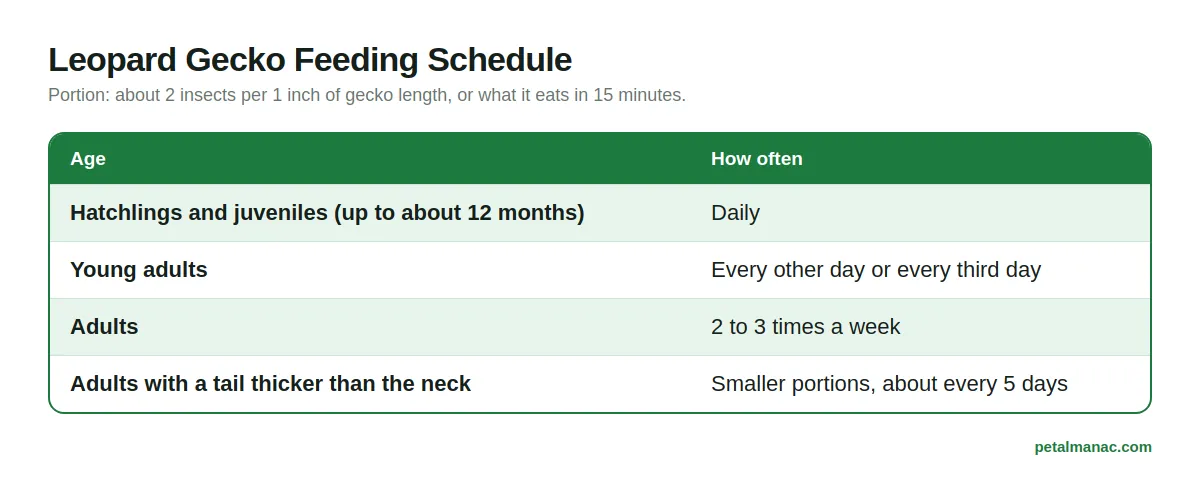
Exact days vary from gecko to gecko, so use its body as the guide. The tail stores fat, so watch it. If it is fatter than the neck, cut the portions down.
Matching feeders to your gecko’s size
Hatchlings and small juveniles need small crickets and small roach nymphs. As your gecko grows, move up in size, always keeping the head-width rule. Keep a mix of feeder types in rotation, because several staples give the gecko a wider nutrient range and make one supply problem easier to handle. Feed from a smooth dish if you use a loose substrate, so your gecko does not swallow bedding with its meal. Our enclosure setup guide covers which substrates are safe.
Gut-loading your feeders
A feeder insect is only as nutritious as its last meal. Gut-loading means feeding the insects before they become a meal. Give feeders a commercial gut-load diet and fresh leafy greens for 2 to 3 days before offering them. Gut-loading does not replace dusting.
Dusting and supplements
Dusting adds the calcium that insects lack and keeps the calcium to phosphorus balance right. Lightly coat insects in calcium powder before each feeding. Choose a phosphorus-free calcium for most dustings. Add a multivitamin once or twice a week, and use calcium with D3 sparingly if your gecko has UVB, or more frequently if it does not.
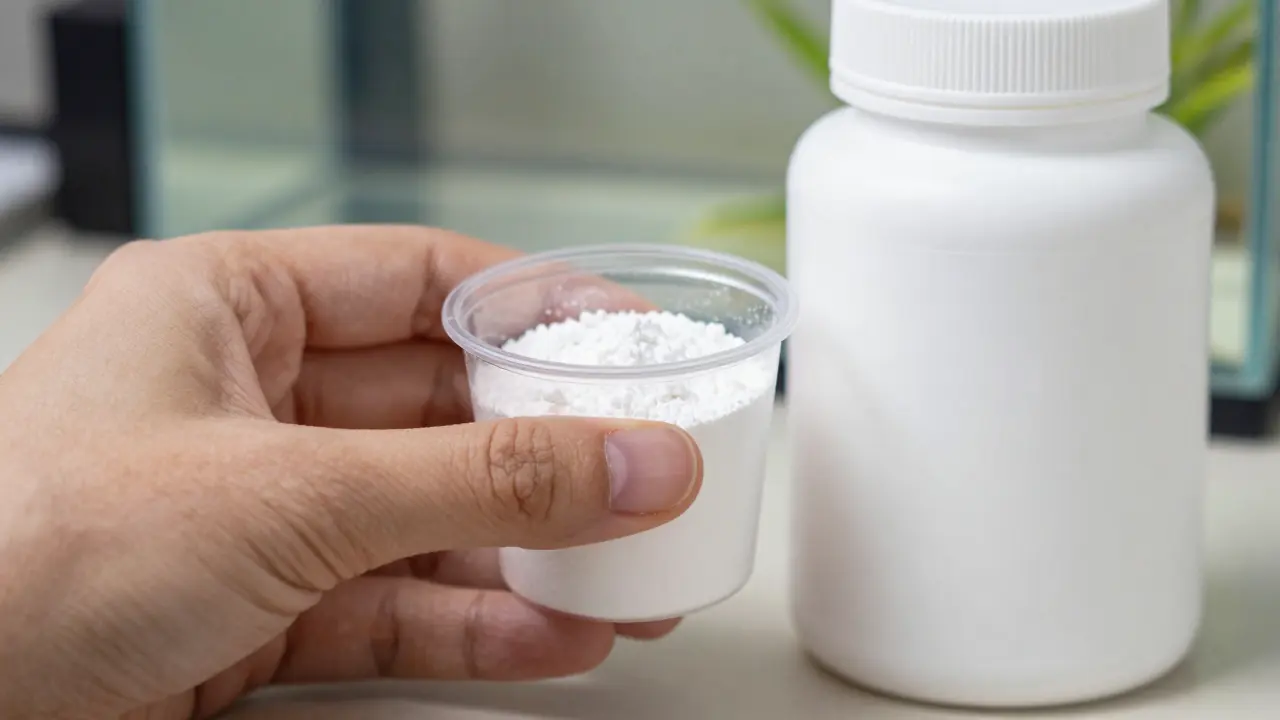
Follow the schedule on your supplement’s directions. Too much vitamin powder can harm a gecko as much as too little, and the right amounts depend on lighting and the product.
A simple feeding routine
- Start gut-loading the feeders 2 to 3 days before the meal.
- Right before feeding, put the insects in a bag or cup with a light pinch of calcium and shake gently.
- Offer 1 or 2 insects at a time, watching your gecko eat, up to the portion for its size.
- Pick up any uneaten live insects after the meal.
- Change the water and wash the dishes.
Water and what to avoid
Leave a shallow dish of clean water in the enclosure at all times and change it daily. Wash the dish regularly with an animal-safe disinfectant, and rinse it well. A small dish of plain calcium powder in the enclosure lets the gecko take what it needs. Skip these foods:
- Insects caught outdoors. Some wild insects are toxic, so only feed captive-raised feeders.
- Fireflies, which contain toxins that can kill reptiles.
- Insects larger than the gecko’s head.
- Dried, dead or processed foods as a daily diet.
Greens belong to the insects
Fresh greens do have a place, but they go to the feeders. Crickets and mealworms can eat vegetable greens along with their gut-load diet, and the gecko gets those nutrients through the insect. This is the only safe route for plant matter in a leopard gecko’s diet.
Will a leopard gecko eat fruit?
No. Leopard geckos are strict insectivores and cannot digest fruit and vegetables properly. Feed the insects instead. Plants and greens belong in the insects’ food, not the gecko’s dish.
When a gecko won’t eat
Appetite shifts happen, and adults are built to ride out short fasts thanks to the fat stored in the tail. A thick tail is a good sign. A thin tail and a refusal to eat together are the combination to act on.
A healthy adult can go up to 2 weeks or more without eating, but a gecko that refuses food and keeps losing weight needs a vet promptly. Weigh a baby every week and an adult every two weeks to a month, so you notice a trend. Before anything else, check the enclosure temperatures and setup against the care guide. Setup basics are in the heat and lighting guide.
Who this diet is not right for
Leopard gecko food FAQ
What do I feed my leopard gecko?
Gut-loaded crickets and roaches as the base, with other worms for variety and fatty worms only as treats, dusted lightly with calcium.
What is a gecko’s favorite food?
Fatty worms such as waxworms are the usual treat, but they should stay occasional. A rotation of staples is better than a favorite.
Do leopard geckos like to be held?
Most tolerate it once settled, but they are not cuddly. See the care guide for handling steps.
Want to know how that diet supports a long life? Read the lifespan guide, or see more in Reptiles.

The Pet Almanac editorial team researches, writes and edits every care guide on the site. Each guide is fact-checked before publishing and reviewed again when care guidance or equipment changes.