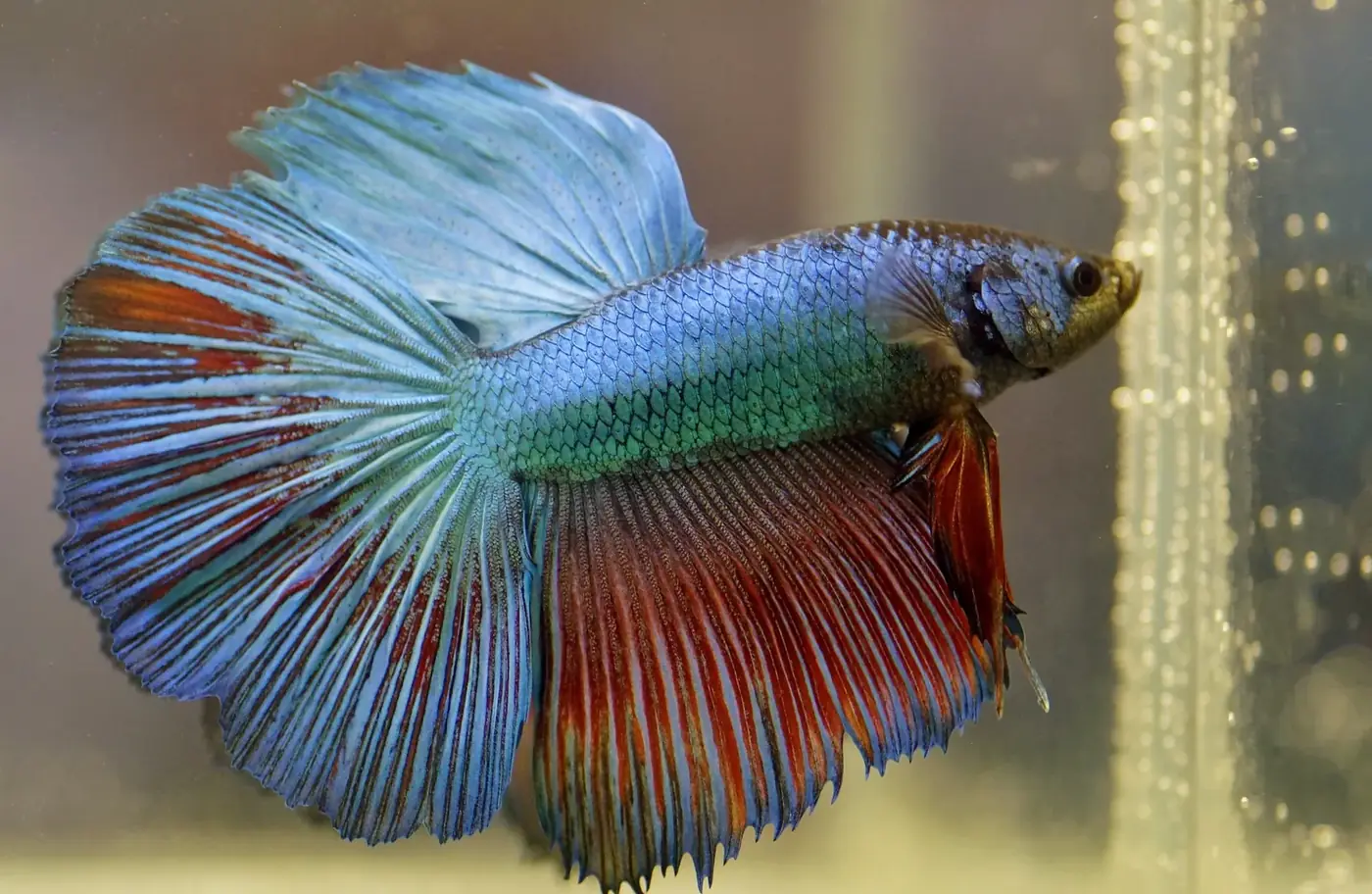
Most pet betta fish live 2 to 5 years. With a well-bred fish and consistently good care, 3 to 5 years is a realistic goal, and five years is already old age for a betta. A rare few live up to about 10 years, but treat that as an exception, not a target. Here is what decides where your fish lands in that range.
How Long Do Betta Fish Live?
Lifespan depends heavily on how the fish was bred and how it is kept. In ordinary home conditions most bettas live 2 to 4 years. With steady, good care many reach 3 to 5, some well-bred fish reach 5 to 7, and a very small number live close to 10.
| Scenario | Typical lifespan |
|---|---|
| Average pet betta, ordinary home conditions | 2 to 4 years |
| Well-bred betta with consistent good care | 3 to 5 years |
| Exceptional fish and excellent conditions | 5 years or more, rarely up to 10 |
For planning purposes, assume 2 to 4 years and treat anything past 5 as a bonus. Five years is already old age for a betta. If your fish reaches 6 or 7, your care was excellent and the fish was likely well bred. Do not buy a betta expecting a decade, and do not write off a fish that dies at two years as simply unlucky. Look hard at the tank conditions first.
Why Some Bettas Live Longer Than Others
Several things explain most of the gap.
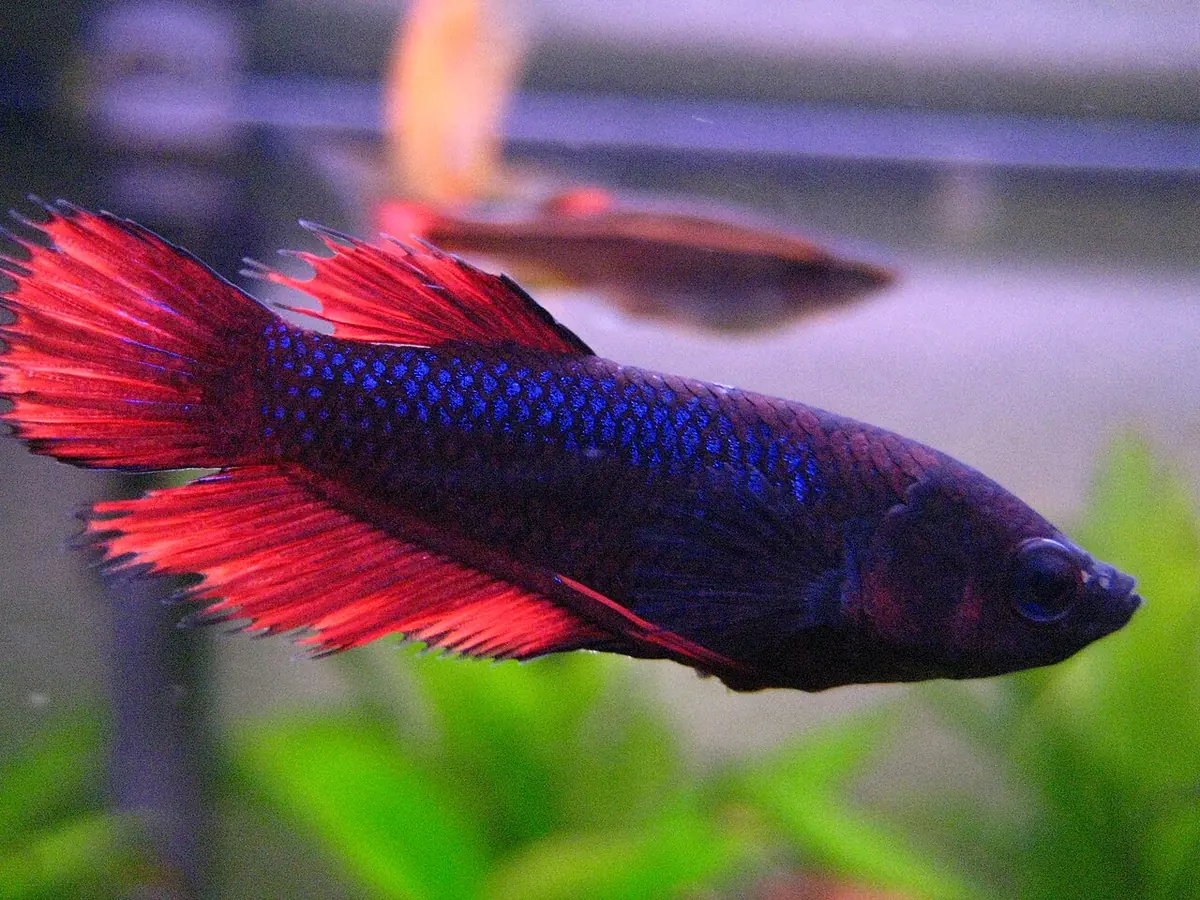
- Age at purchase. A betta from a pet store could already be 6 to 12 months old, so the years it spends in your tank are only part of its life.
- Store conditions. Overcrowded sales tanks and tiny individual cups before sale may shorten a fish’s life before you ever meet it.
- Breeding. Selective breeding and inbreeding may shorten lifespan for some fish. Showy, heavily bred fins and colors are not free.
- Care. Environment, diet and protection against disease are the main factors. Poor care can cut a betta’s life short considerably.
| Factor | Why it matters | What you can do |
|---|---|---|
| Age at purchase | A store-bought betta may already be 6 to 12 months old, and sellers often cannot tell you its age | Ask the seller, and subtract the unknown head start when you estimate lifespan |
| Breeding | Selective breeding and inbreeding may shorten lifespan for some fish | Pick a fish with active behavior, intact fins, strong color and clear eyes |
| Tank size | Small volumes swing in temperature and ammonia quickly | Use at least 5 gallons, with a heater and filter. 10 gallons or more is better |
| Water temperature | Bettas need warm water, and stability matters more than the exact number | Keep the tank at 76 to 81°F, avoid swings of more than about 2°F, and use a heater of about 3 to 5 watts per gallon with a separate thermometer |
| Water quality | Ammonia exposure and swings in chemistry work against a long life | Cycle the tank first, change 15 to 25% weekly, use a conditioner and keep pH steady |
| Diet | Bettas are carnivores, and overfeeding fouls the water and can cause digestive trouble | Feed a high-protein betta food in small portions and remove leftovers |
| Tank mates | Another betta means fighting, and fin-nippers mean stress | Keep one betta per tank, or choose calm companions in a larger tank |
Wild Bettas vs. Pet Bettas
Betta splendens comes from Southeast Asia, where it lives in shallow, slow water such as rice paddies and marshes. Wild bettas face predators and hazards that a pet in a heated tank never meets, which may shorten their lives, so wild figures are not a useful benchmark. Domestication has also produced dozens of selectively bred varieties, which brings the breeding trade-offs described above.
How Big Do Betta Fish Get?
Adult bettas reach about 2.5 to 3 inches of body length, not counting the fins. Long-finned varieties look larger because the tail adds visual length, but the body stays compact. Size is one reason the pet-store cup misleads buyers: a small fish still needs real space. The absolute floor is 2.5 to 3 gallons, 5 gallons is the practical minimum and 10 gallons or larger is ideal. Bowls and vases are not recommended. Our betta fish care guide covers the full setup.
How Old Is a Store-Bought Betta?
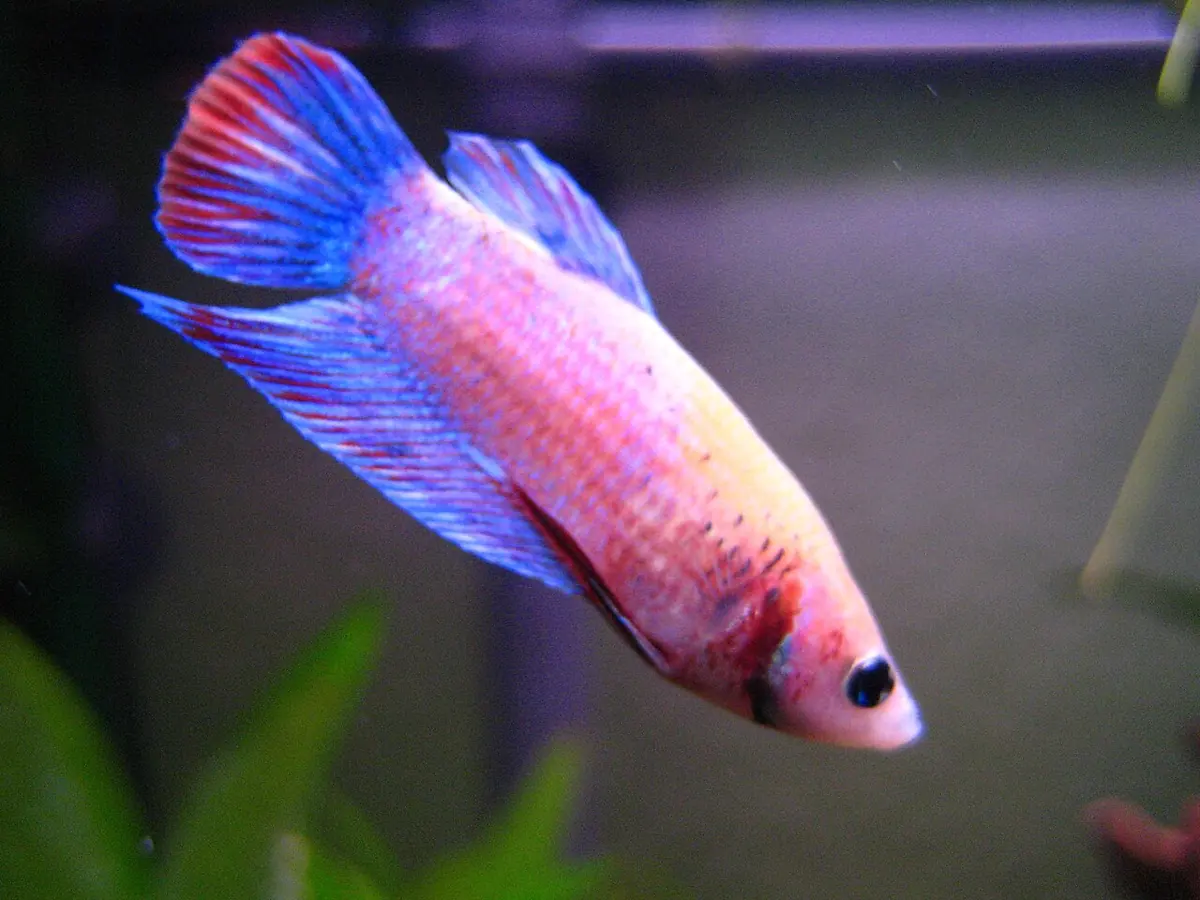
A betta on a store shelf could already be 6 to 12 months old, and sellers may not know the age. That includes fish sold in big-box pet stores. A fish that looks fully grown has still lived some unknown amount of time before you met it. When you calculate a realistic lifespan for your fish, subtract that unknown head start.
Look for these signs of a healthy betta at purchase:
- Active, alert behavior
- Healthy, intact fins without tears or fungus
- Strong color without discoloration
- Clear eyes
- Smooth scales
- No bloating
Also look at the tank the fish is in. If the water is dirty or other fish in it look sick, pick another seller. If a fish is listless, bloated or has damaged fins, pick another fish. If a fish you already own looks unwell, contact an aquatic veterinarian rather than guessing at a fix.
Giving Your Betta Its Best Chance
Lifespan is the result of many small decisions made every week, not one big purchase. The main factors (environment, diet and protection against disease) make a useful checklist, because each one maps to a habit you can build.
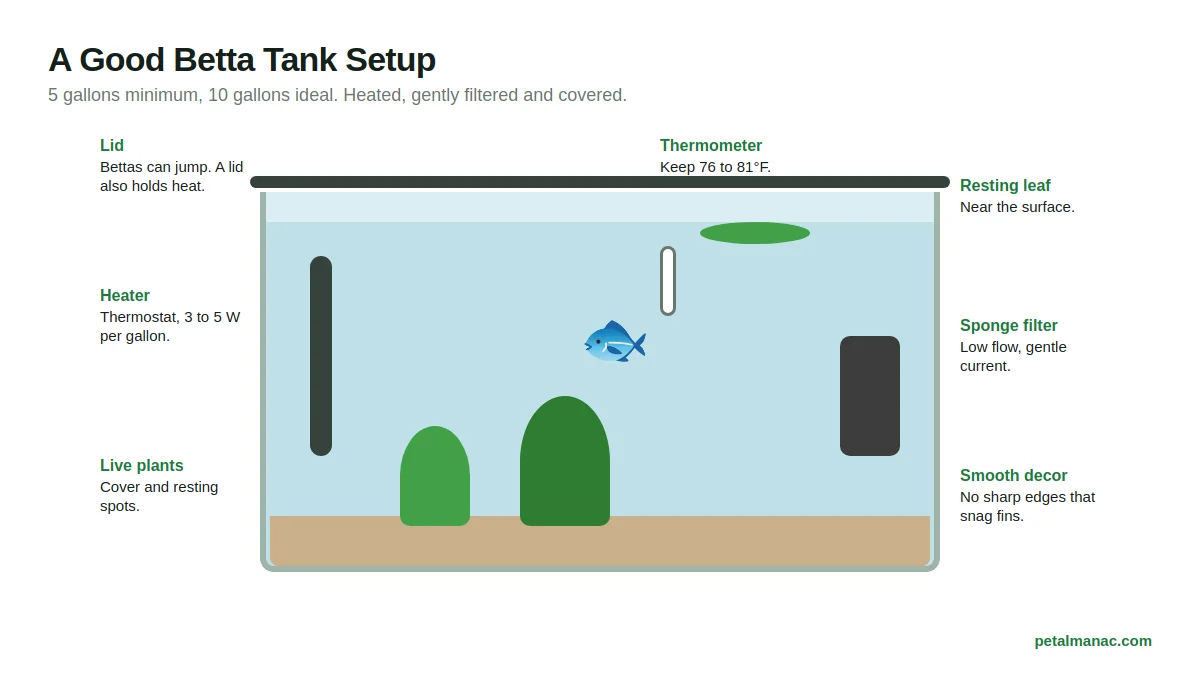
You cannot control genetics or the fish’s age, but you control nearly everything else. These are the habits that matter most:
- Choose the right tank size. Use at least 5 gallons with a heater and filter. Larger is better, and bowls are a misconception.
- Cycle the tank first. A betta in an uncycled tank is exposed to ammonia from day one. Wait several weeks for the bacteria to establish, as described in how to cycle a fish tank, before you buy the fish.
- Keep the water warm and steady. Aim for 76 to 81°F, and remember that stability matters more than the exact number. Use a heater of about 3 to 5 watts per gallon and confirm with a separate thermometer.
- Change water on schedule. Change 15 to 25% of the water weekly, check ammonia, nitrite and nitrate each week, and treat tap water with a conditioner before it goes in. Live plants and snails can help hold quality steady.
- Feed a measured diet. Choose a high-protein betta food, with small portions about the size of the fish’s eye: roughly 2 to 4 pellets once or twice a day. Offer frozen, freeze-dried or live food one or two times a week for variety, and remove leftovers.
- Use a low-flow filter. Strong current wears out a fish with long fins, because bettas rest a lot to support their large fins. Give them plants and soft leaf perches to rest on, and do not fill the tank to the brim, since they breathe air from the surface.
- Keep the tank peaceful. Never add a second betta, since they are territorial and fight. Calm options include snails, ghost shrimp and African dwarf frogs in a larger tank.
- Keep pH steady. Aim for about 7, with 6.5 to 7.8 tolerable. If your tap water is far outside that range, read how to lower pH in an aquarium before changing anything.
- Minimize stress and act early. Keep decor smooth, keep the tank in a calm spot, quarantine new or sick fish, and look over your betta daily so you catch changes early.
Write the purchase date on a calendar and note the fish’s apparent age if the seller offers one. A simple log of water changes and parameter readings makes it much easier to spot what changed if your betta’s behavior shifts.
Signs of Old Age or Serious Trouble
A betta nearing the end of a normal life slows down, eats less and spends more time resting. The same signs can also point to problems you can fix, so check water first. Warning signs include refusing food, lethargy, unusual swimming, fins clamped against the body, worsening fin damage, a bloated or thinning body, and new spots or growths.
Check the temperature and the ammonia, nitrite and nitrate readings, and do a water change if anything is off. If the fish does not improve, contact an aquatic veterinarian. Prompt attention to illness is one of the few things that can add time.
When a Betta Is Not the Right Pet
Setting Realistic Expectations
The 2 to 4 year range is what many pet bettas actually get, and 3 to 5 years is what proper care in a home aquarium can deliver. The 5 to 7 year outcome, and the rare fish that approaches 10, is what is possible when a healthy, well-bred fish lands in excellent conditions. Aim for the longer outcome by doing everything the shorter range assumes, and keep your expectations tied to the lower figure.
FAQs
How long do betta fish live as a pet?
Estimates run from 2 to 4 years on the low end to 3 to 5 with good care, and a small number reach 5 to 7 or more. Plan for the lower figures and enjoy any extra time.
Is it better to have 1 or 2 betta fish?
One. Bettas are territorial and not schooling fish, and two males will fight, sometimes fatally. A single betta is the safest choice. Females can live in a group of several in a large, heavily planted tank, but that suits experienced keepers.
What happens before a betta fish dies?
Fish near the end of life, or in trouble, usually stop eating, become lethargic, rest at the bottom or surface, clamp their fins or swim oddly. Check the water first, and contact an aquatic veterinarian if the fish does not improve.
How old are bettas in pet stores?
A store-bought betta could already be 6 to 12 months old, and the seller may not know the exact age.
How big do betta fish get?
Adult bettas reach about 2.5 to 3 inches of body length, not counting the fins.
Does a bigger tank help a betta live longer?
Indirectly, yes. A larger volume keeps temperature and water chemistry more stable, and stable water puts less stress on the fish. Tank size alone does not guarantee a longer life, but it gives you more margin for error.
Can a betta live in a bowl?
It may survive for a time, but unheated, unfiltered water swings in temperature and ammonia, which works against a long life. A heated, filtered tank is the better choice.
Treat 2 to 4 years as the baseline and 3 to 5 as the goal, give the fish clean and stable water, and any extra time is earned by good habits, not luck.

The Pet Almanac editorial team researches, writes and edits every care guide on the site. Each guide is fact-checked before publishing and reviewed again when care guidance or equipment changes.