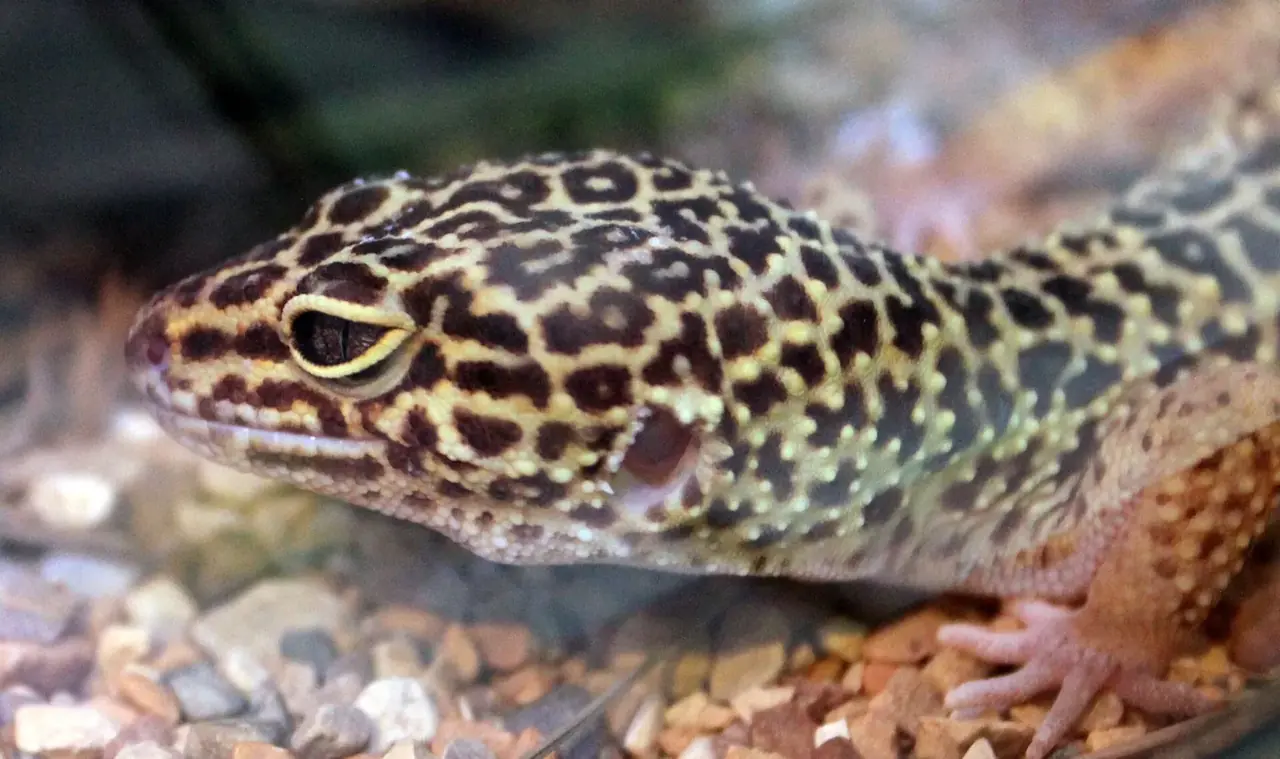
A leopard gecko in good care lives 10 to 20 years, and 15 to 20 is a realistic target for a healthy, well-kept animal. Wild geckos live far shorter lives, around 6 to 8 years. A few exceptional geckos pass 25 years, but treat that as an outlier, not a number to plan around.
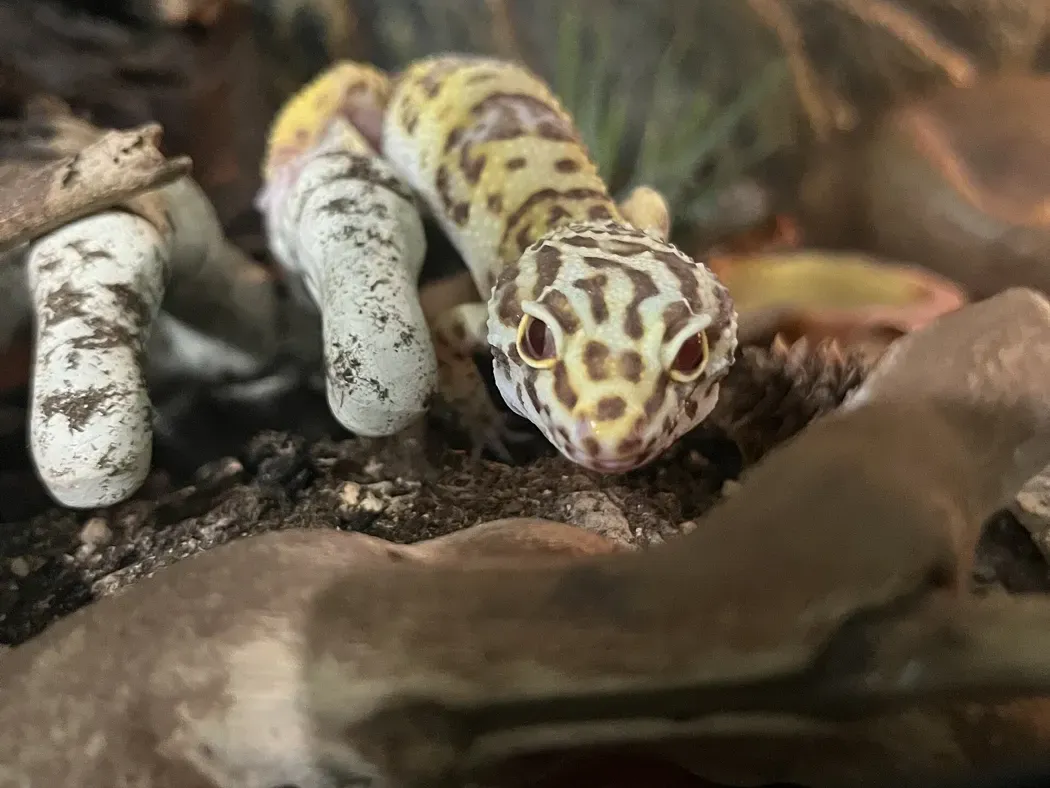
How long do leopard geckos live?
Captive leopard geckos commonly reach 10 to 20 years. Averages as low as 6 to 10 years describe geckos from all kinds of homes, while 15 to 20 is what a well-kept gecko typically reaches. The gap is husbandry. Geckos kept warm, fed well and seen by a vet live toward the top of the range, and neglected ones fall toward the bottom.
Males tend to outlast females. Females commonly reach 10 to 20 years with good care, while males can approach 15 to 20, partly because they face fewer reproductive demands. A non-breeding female with steady calcium can get close to the male average. Some individuals pass 20 and a few reportedly pass 25, but plan for the typical range, not the record.
Adult weight gives you a quick benchmark for health: females generally weigh 50 to 70 g and males 60 to 80 g. A gecko well below its range at full size deserves a closer look at feeding and temperatures.
Is 7 old for a leopard gecko?
No. At 7 years a leopard gecko is in the middle of adult life, not old. If your gecko is eating, active and keeping weight at 7, expect many more years. If it is thin or slow at that age, that points to a husbandry or health problem, not age, so check temperatures and talk to an exotic veterinarian.
Even at the low end of the captive range, a 7-year-old still has years ahead of it. Age counts for less than condition, so judge your gecko by weight, appetite and activity.
Leopard gecko life stages
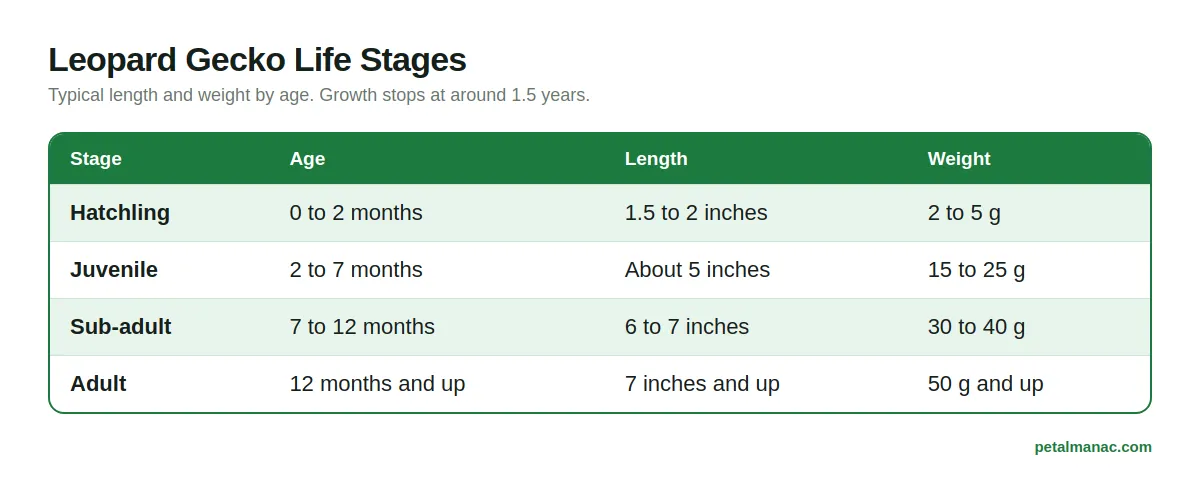
Growth is quick in the first year, then stops at around 1.5 years. Sexual maturity arrives between 9 and 18 months. Juveniles gain about 1 inch of length each month for the first 8 months.
| Stage | Age | Length | Weight |
|---|---|---|---|
| Hatchling | 0 to 2 months | 1.5 to 2 inches | 2 to 5 g |
| Juvenile | 2 to 7 months | about 5 inches | 15 to 25 g |
| Sub-adult | 7 to 12 months | 6 to 7 inches | 30 to 40 g |
| Adult | 12 months and up | 7 inches and up | 50 g and up |
Hatchling to adult: what to expect each year
Year one is all growth. Hatchlings start around 1.5 to 2 inches, reach about 5 inches by 7 months, and hit adult size near a year. Keep young geckos on paper towels or reptile carpet until they reach 5 to 6 inches, and wait to handle them until then. After 18 months or so, size is settled and the long, steady adult stretch begins, which is where most of the 10 to 20 years are spent.
Because the first year decides bone strength and body condition, it is where good feeding and heat pay off most. A well-grown young gecko enters adulthood with a better chance of reaching the upper end of the range.
Wild lifespan vs captivity
Wild leopard geckos live roughly 6 to 8 years, and a few reach 10. Wild geckos face predators such as birds, scorpions, snakes and jackals, plus parasites, droughts and harsh weather swings. A captive gecko has none of that, steady food and a controlled climate, which is why it can double or triple the wild figure.
What shortens or extends a gecko’s life
- Genetics and morphs. Over 100 morphs exist. Some carry higher health risks, and the Enigma pattern can come with neurological problems such as seizures. Ask a breeder about the lines before you buy.
- Enclosure size and setup. A tank of at least 20 gallons is the floor, and a 36 by 18 by 18 inch enclosure is better. A tight setup raises stress.
- Stress and placement. Place the enclosure in a calm spot, and avoid constant handling. A stressed gecko eats less and hides more.
- Diet and supplements. Calcium and a multivitamin on a schedule keep bones healthy. See the feeding guide.
- Stable temperatures, humidity and light. A basking surface of 94 to 97°F, a cool side of 70 to 77°F, and low-output UVB on a daily timer. Details are in the heat and lighting guide.
- Vet care. A checkup at least once a year catches problems while they are small.
Poor husbandry is the main way a gecko’s life gets cut short. Metabolic bone disease is one example that proper calcium, D3 and lighting are meant to prevent. Fix the setup first, and let a vet handle diagnosis.
Signs your leopard gecko is getting older
Older geckos may move more slowly and eat less. Their colors can fade slightly and they may lose some body mass. These changes are gradual. Sudden weight loss or refusing food is not normal aging, so contact an exotic vet. Keep temperatures steady, offer easy-to-reach hides, and weigh your gecko regularly so you can see trends.
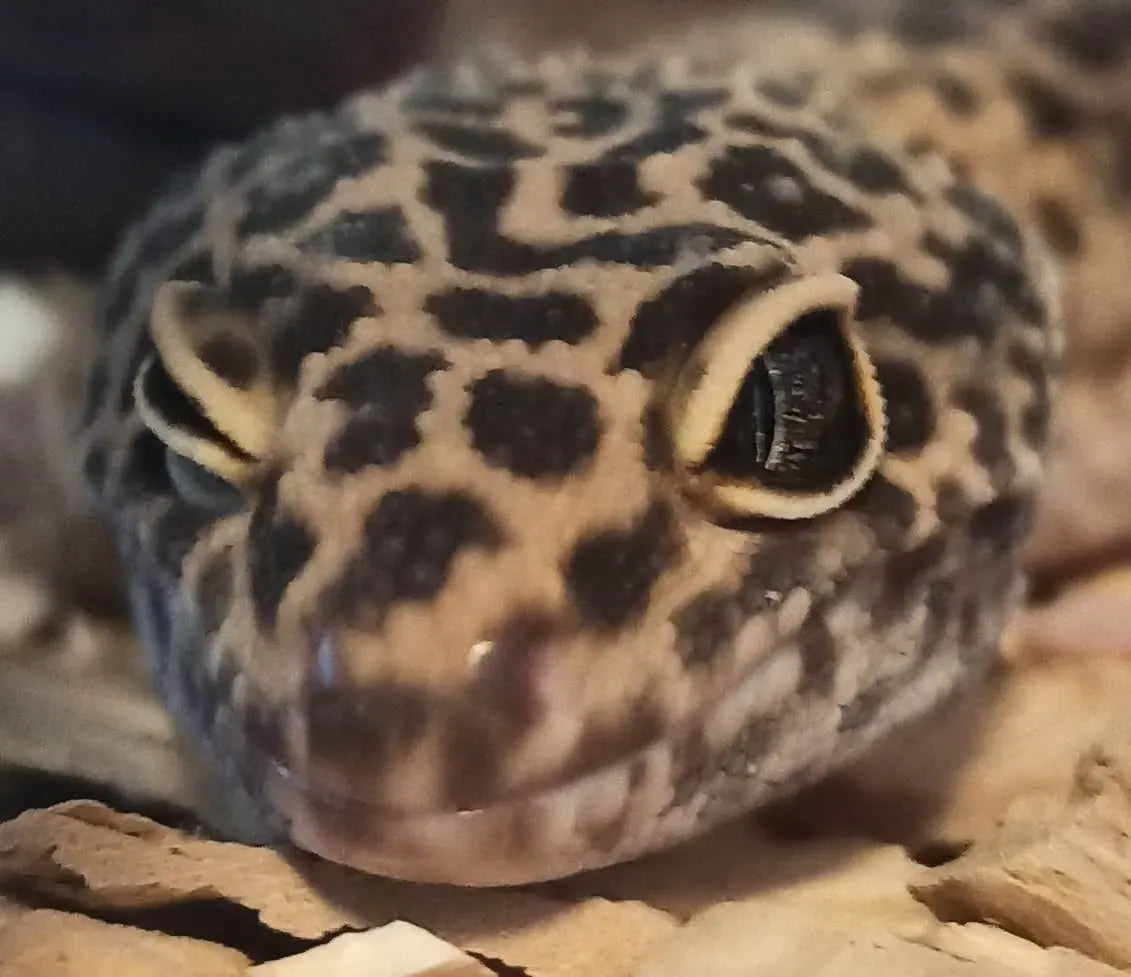
How to give your gecko the longest life
- Provide a proper gradient, run heat through a thermostat, and check the hot spot with a digital probe thermometer or temperature gun. Use UL-listed equipment.
- Feed gut-loaded insects dusted on a calcium schedule.
- Offer fresh water daily and a humid hide for shedding.
- Spot-clean daily and disinfect the enclosure every one to two weeks.
- Book a yearly exam with an exotic vet.
The full routine lives in our leopard gecko care guide.
Is a 20-year pet right for you?
Leopard gecko lifespan FAQ
How old do leopard geckos usually live?
Most live 10 to 20 years in captivity, with 15 to 20 typical in careful homes. Wild geckos live about 6 to 8 years.
Do leopard geckos carry diseases?
Reptiles can carry Salmonella, which can spread to people. Wash your hands before and after handling or cleaning, and keep the enclosure supplies out of the kitchen.
Do males or females live longer?
Males commonly live longer, because females carry the strain of egg production. A non-breeding female with good calcium can come close.
For more species guides, head to Reptiles.

The Pet Almanac editorial team researches, writes and edits every care guide on the site. Each guide is fact-checked before publishing and reviewed again when care guidance or equipment changes.